
What causes heel pain and how to fix it effectively with custom orthotics
Learn the main causes of heel pain including plantar fasciitis, heel spur, and Achilles tendonitis. Discover symptoms, risk factors, and effective treatment options.
CUSTOM ORTHOTICS
4/21/20264 min read
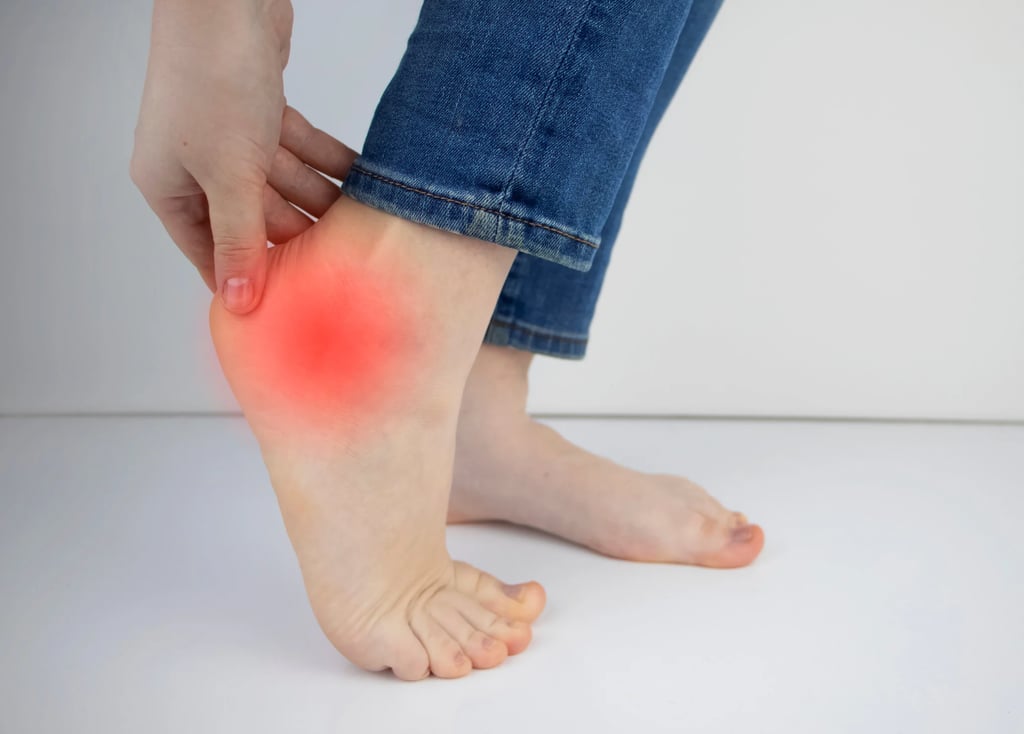
What causes heel pain and how to fix it effectively?
Introduction
Heel pain has a way of creeping into daily life.
At first, it feels like a small discomfort when you wake up. Then it becomes sharper. Eventually, even standing for a few minutes starts to feel uncomfortable.
What most people miss is this. Heel pain is rarely random. It is usually a result of repeated stress, poor support, or subtle imbalances in the way you walk.
If you are exploring better ways to manage this, solutions like advanced digital orthotic care can help move beyond guesswork toward more precise support.
Why heel pain happens in the first place?
Your heel absorbs impact every time your foot touches the ground. Over time, even a small imbalance in foot mechanics can lead to excess pressure, tissue strain, and reduced shock absorption. This is why heel pain often builds slowly.
In many cases, a proper foot assessment and gait analysis can reveal pressure patterns that are not visible otherwise.
The most common causes of heel pain
1-Plantar fasciitis is often the starting point
If your heel hurts most in the morning, plantar fasciitis is usually involved.
It affects the tissue under your foot and leads to sharp pain with the first few steps. This often happens when the foot is not getting the right support over time.
There are many reasons for this, some common ones are:
2-Heel spurs develop gradually
Heel spurs form due to long term stress on the heel.
They can cause sharp pain while standing or walking and are often linked to poor pressure distribution.
3-Achilles tendonitis affects the back of the heel
Pain at the back of the heel is often related to the Achilles tendon.
This is common when activity increases suddenly or when foot alignment is not ideal.
4-Bursitis and soft tissue irritation
Inflammation in the cushioning structures around the heel can lead to tenderness, swelling, and discomfort while walking.
5-Nerve related pain feels different
If the pain feels like burning, tingling, or numbness, it may involve nerve compression rather than tissue strain.
6-Small injuries that get ignored
Repeated impact or walking on hard surfaces can lead to heel bruising, which often worsens if not addressed early.
Footwear plays a bigger role than most people think
Many people wear shoes that do not provide proper support. Over time, this leads to uneven pressure and increased strain on the heel.
Switching to better support, such as custom orthotic insoles can significantly improve comfort and reduce stress on the foot.
Risk factors that make heel pain more likely
Some factors increase your chances of developing heel pain, like-
Long hours of standing
Increased body weight
Flat feet or high arches
Aging tissues
Diabetes affecting healing
In such cases, early support can prevent long term complications.
How to understand what your heel pain is telling you?
Your symptoms often give clear clues, such as:
Morning pain usually points to plantar fasciitis
Back heel pain suggests tendon involvement
Sharp pain may indicate a heel spur
Tingling may be nerve related
If you are unsure, a 3d foot scanning solution can provide a clearer understanding of your foot structure and pressure points.
What actually helps relieve heel pain?
There is no single fix, but some approaches work consistently.
Rest and small adjustments- Reducing stress on your foot allows it to recover.
Stretching and movement- Improving flexibility reduces strain on the heel.
Ice and basic care- Cold therapy helps manage inflammation in the early stages.
Better support under your feet- This is often where real improvement begins.
When your foot is properly supported, pressure is distributed more evenly and movement feels natural.
For more precise correction, digitally customized orthopedic solutions are designed based on actual foot data rather than assumptions.
Why customized support works better in many cases?
Every foot is different. Generic solutions often fail because they do not address individual pressure patterns.
Customized support focuses on:
Correcting alignment
Reducing high pressure areas
Improving walking mechanics
Modern approaches combine scanning, design, and clinical inputs into a digital orthotic workflow that improves both accuracy and consistency.
When you should not ignore heel pain?
You should seek help if:
Pain lasts more than a few weeks
Walking becomes difficult
Pain keeps increasing
There is swelling or unusual sensations
Early intervention is always easier than long term treatment.
The bigger picture behind heel pain
Heel pain is rarely just about the heel. It is often connected to how your entire body moves, including posture and gait.
That is why long term relief comes from fixing the cause, not just managing the pain.
Conclusion
Heel pain can start small but affect your daily life if ignored. The good part is that most cases are manageable when addressed early.
With the right mix of awareness, support, and targeted care, you can prevent it from becoming a long term issue.
Frequently Asked Questions (FAQs)
What is the most common cause of heel pain?
The most common cause is plantar fasciitis, where the tissue under the foot becomes strained due to overuse or poor support.
How do I know if my heel pain is serious?
If the pain lasts more than a few weeks, worsens over time, or affects walking, it is best to get a professional evaluation.
Can footwear really fix heel pain?
Yes, proper footwear and orthotic support can significantly reduce pressure on the heel and improve walking mechanics.
Is walking good or bad for heel pain?
Light walking may help, but excessive pressure can worsen the condition. It is important to balance activity with proper support.
Do I need custom insoles for heel pain?
If your pain is caused by pressure imbalance or poor alignment, custom insoles can provide more effective and long term relief compared to generic options.
If heel pain is affecting your daily life, it may be time to explore a more precise approach. Solutions that are:
✔ Precision engineered for accurate support
✔ Digitally customized for your foot structure
✔ Corrective by design for long term relief
Start with a professional consultation and understand what your feet actually need..!
BenGait Labs Private Limited
Phone
hello@bengaitlabs.com
+91 9971176444
© 2025. All rights reserved.
Products
Legal
Technology
HO
Regd. Office : B 273, Sector 26, Noida 201301
D192, LGF, Sector 27, Noida 201301